
Hands-free storage
Keep phone, keys, wallet, snacks, dog treats, compact camera, or map close without stopping to remove a backpack.
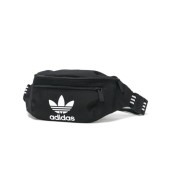
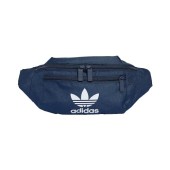

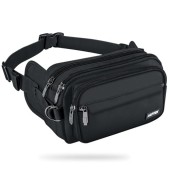
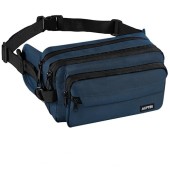
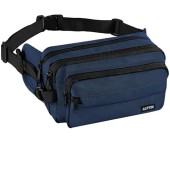
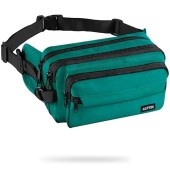
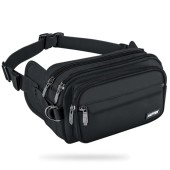
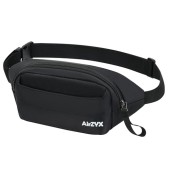
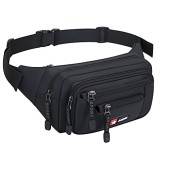
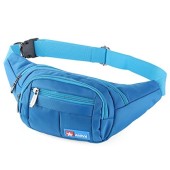
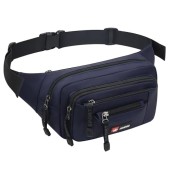

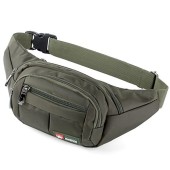

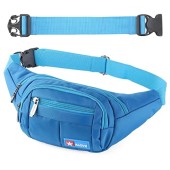
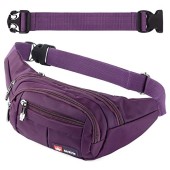
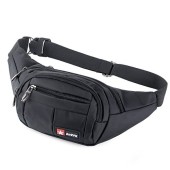
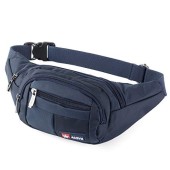

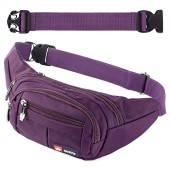
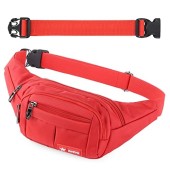
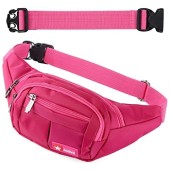


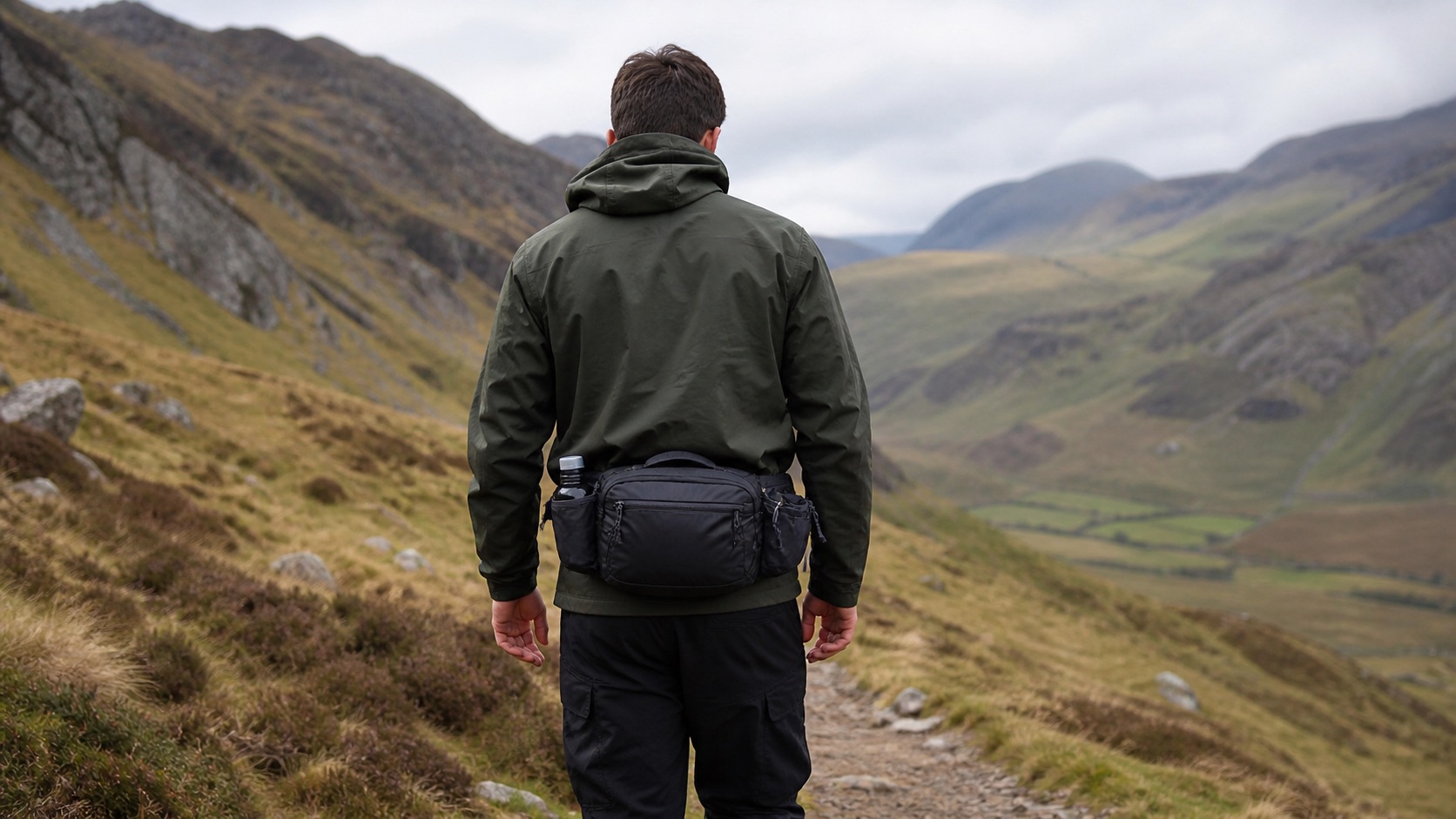
A hiking bum bag, waist pack, hip pack, or lumbar pack keeps phone, keys, snacks, water, dog treats, and small trail kit close to hand on short walks, travel days, and fast-moving routes.
For a short trail in the Lake District, a Cornish cliff path, a dog walk on the South Downs, or a city break, a walking bum bag can be more practical than carrying a full daypack. It leaves your hands free, keeps your back open to move, and puts the things you use most within easy reach.
The best hiking waist pack is not just a fashion accessory. It should stay stable, carry weight comfortably around the hips, organise small items properly, and handle a bit of British weather without soaking your essentials.
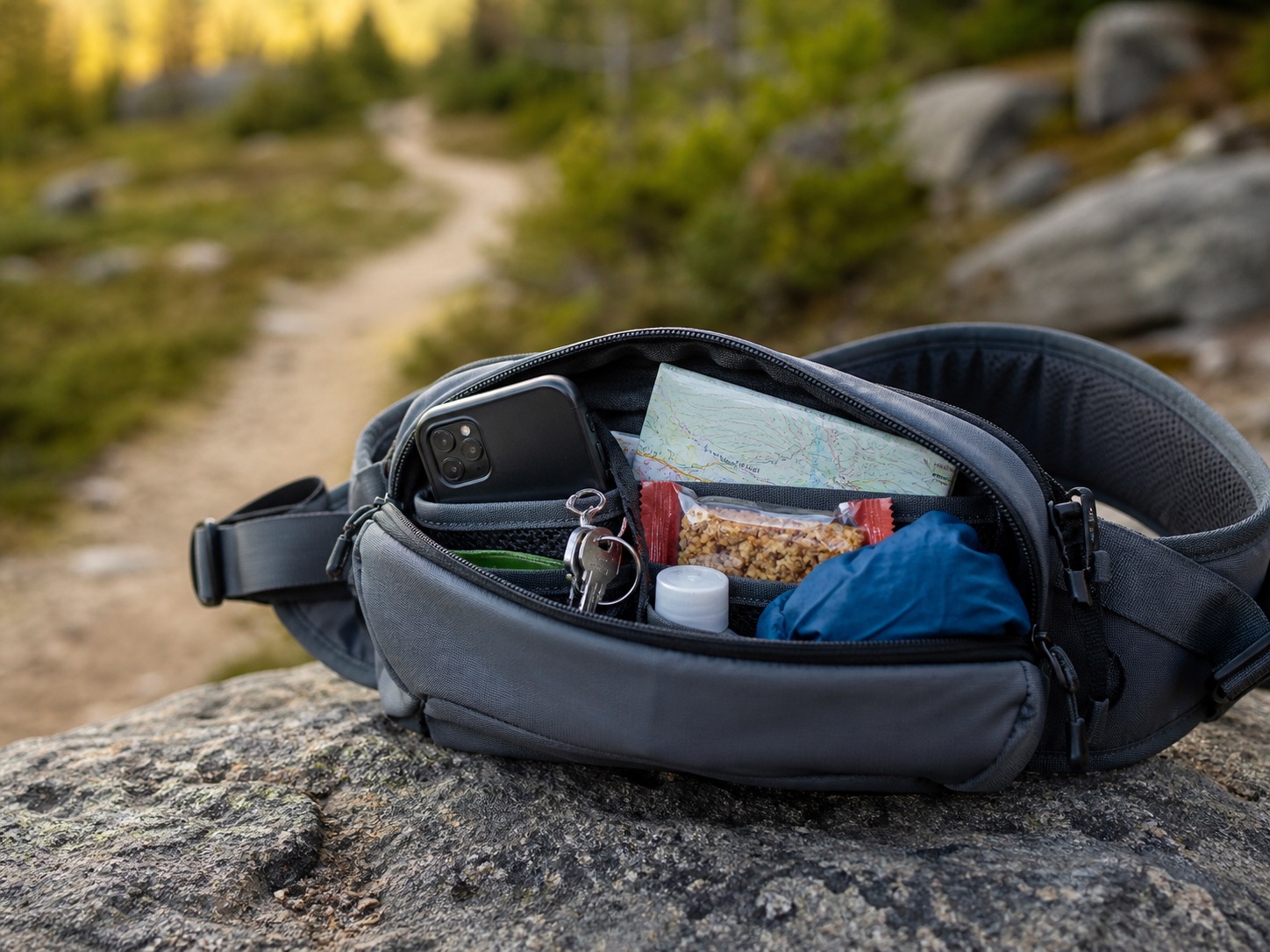
Keep phone, keys, wallet, snacks, dog treats, compact camera, or map close without stopping to remove a backpack.
A good hip pack spreads small loads around your waist and avoids sweaty backpack straps on warm or fast walks.
Separate pockets, front zips, mesh dividers, and bottle sleeves stop small gear becoming a mess.
Many waist bags also work as crossbody bags for travel, sightseeing, festivals, cycling, and errands.
| Use case | Good waist-pack choice | What to check |
|---|---|---|
| Short walk | Small bum bag or compact 1-3L waist bag. | Phone pocket, key clip, soft belt, and enough room for snacks. |
| Dog walking | Dog walking bum bag with wipe-clean pockets. | Treat storage, waste-bag access, water bottle space, and easy one-hand opening. |
| Warm-weather hiking | Lightweight bum bag or breathable hiking waist pack. | Low weight, airflow against the body, and a belt that does not rub. |
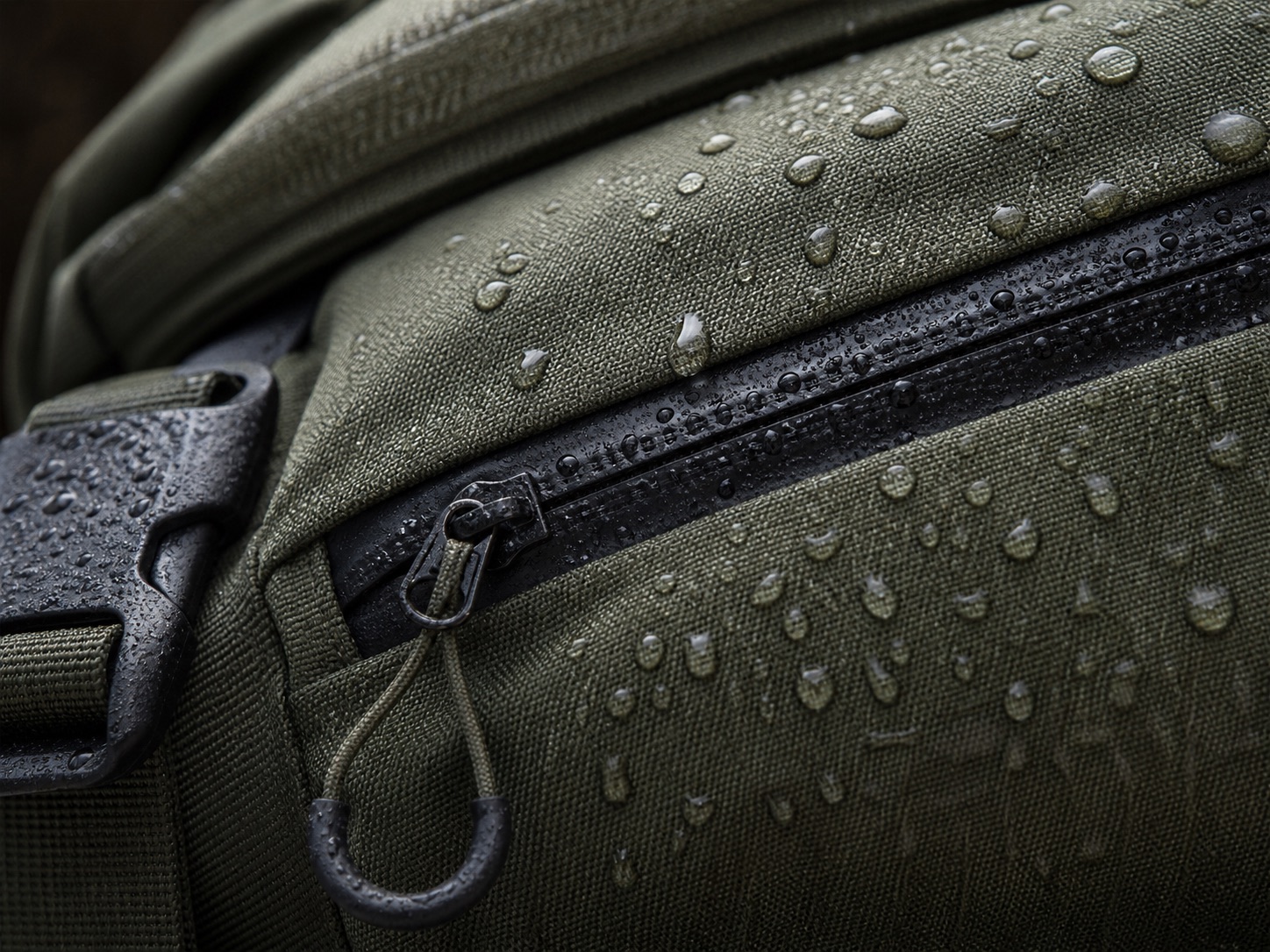
| Wet UK routes | Waterproof bum bag or water-resistant hip pack. | Coated fabric, protected zip, drainage, and dry storage for phone or wallet. |
| Longer trail days | Bum bag with water bottle holder. | Bottle stability, compression straps, padding, and enough space for a light layer. |
| Running or fast walking | Running bum bag or trail running waist pack. | Bounce control, close fit, slim profile, and soft flask compatibility. |
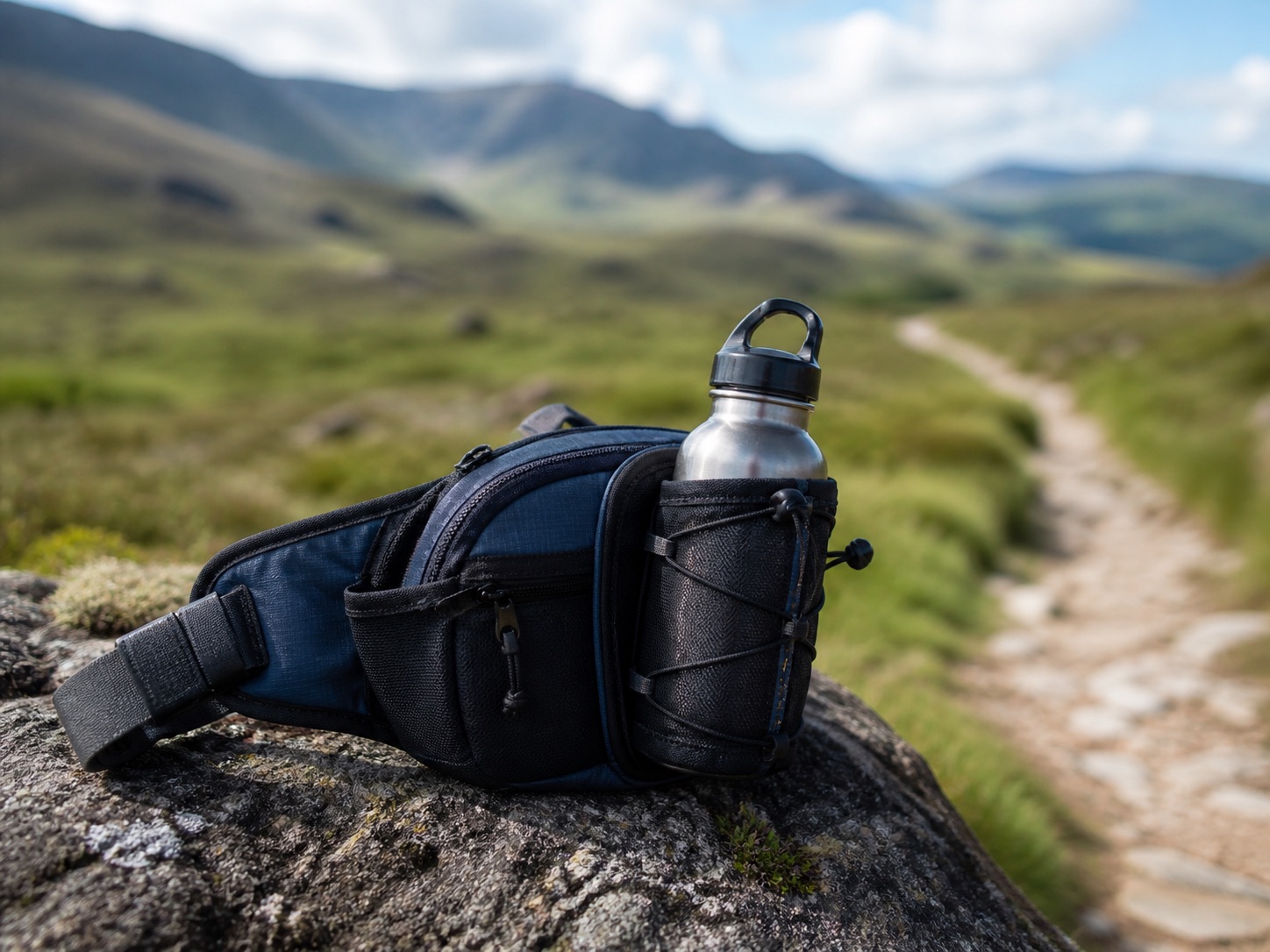
Many people search for a hiking bum bag with bottle holder because water is the one item that quickly outgrows a tiny pouch. A bottle sleeve or angled holster makes sense for summer walks, dog walks, and routes where you do not want to carry a backpack.
Check that the bottle sits securely before buying. If the sleeve is loose, the pack can bounce or twist. If it is too tight, the bottle becomes annoying to pull out while walking.
Choose a two- or three-litre pack for minimal carry. Move up to four to six litres if you need a waterproof, lunch, bottle, or compact camera.
A main compartment plus smaller zipped pockets keeps phone, keys, wallet, snacks, and dog treats separate enough to find quickly.
Water-resistant fabric is enough for drizzle. For winter walks on Dartmoor or wet hill routes, look for protected zips, coated fabric, or a waterproof liner.
Adjustable waist straps, quick-release buckles, soft padding, and a stable hip-hugging shape reduce bouncing and rubbing.
For fast walks and trail running, a light waist bag matters. Less structure feels easier, but only if the pack still holds contents securely.
If you want one bag for trails and travel, check whether it works crossbody as well as around the waist.
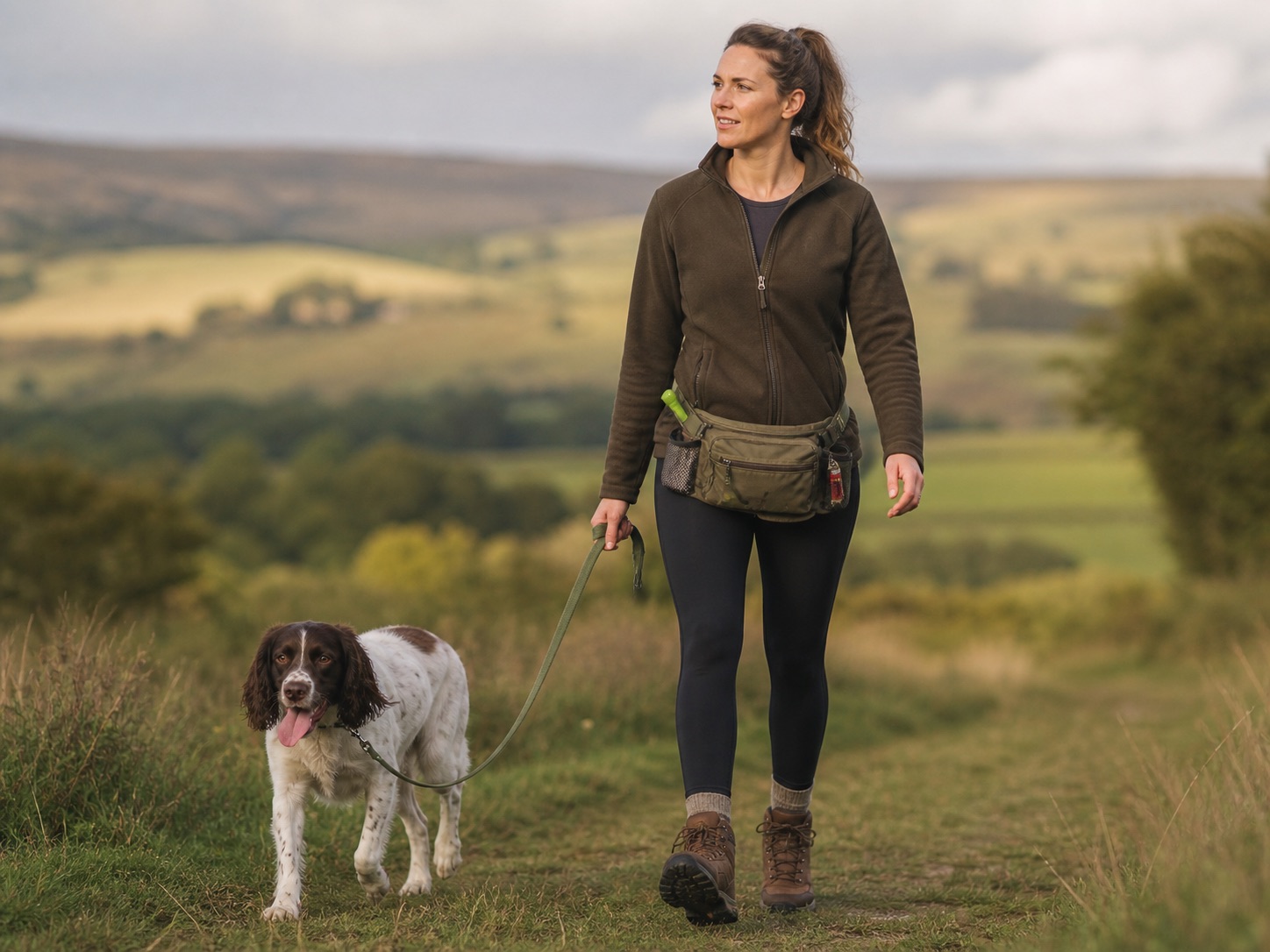
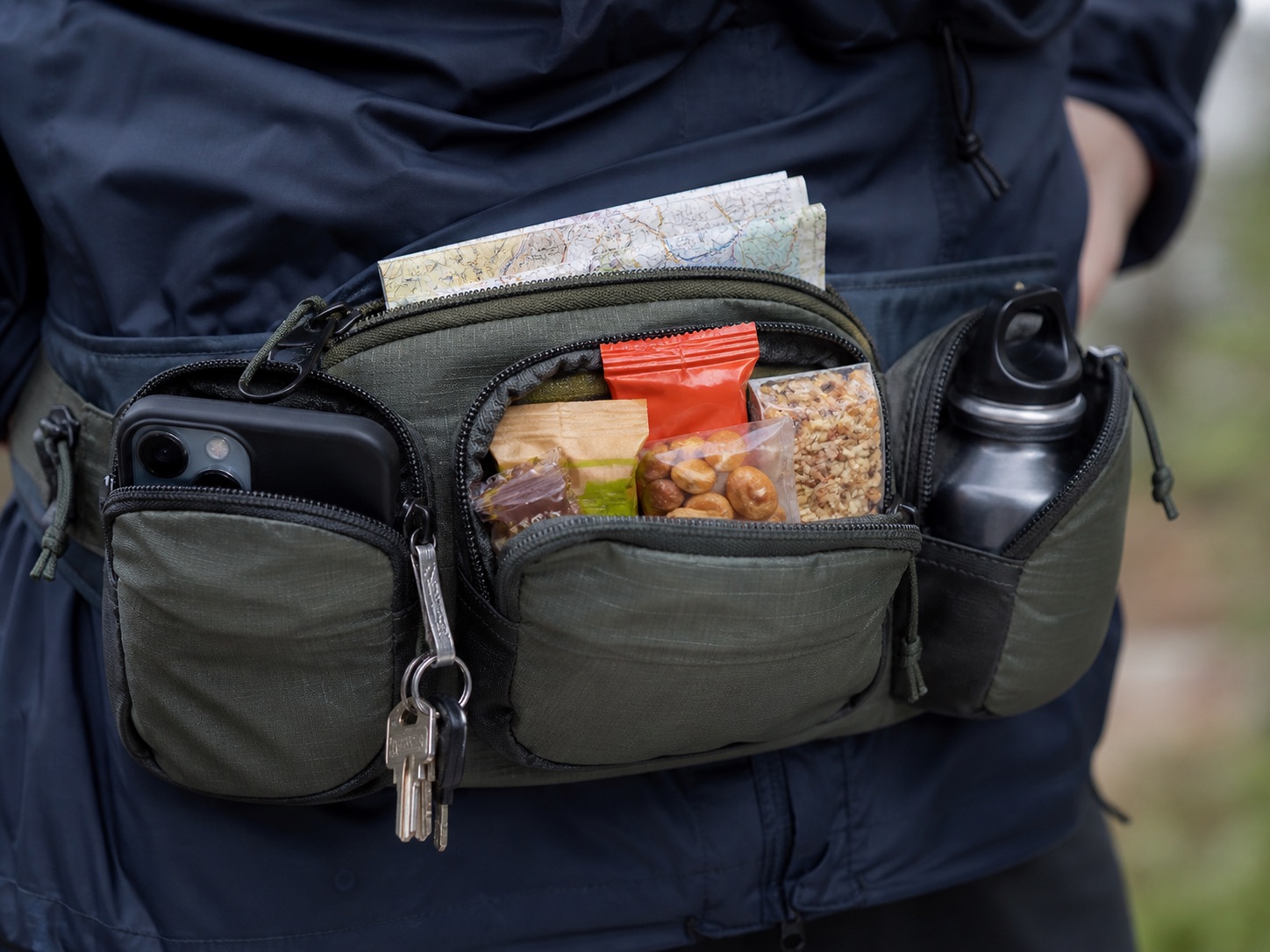
Put heavier items such as water or camera kit close to the centre of the pack. Keep small items in separate pockets so they do not rattle around.
For walking, most people find the pack most stable around the hips or lower back. Tighten it enough to stop bounce without digging in.
You should be able to reach phone, snacks, dog treats, or map without unpacking everything. If access is awkward, the layout is probably wrong for your use.
For travel or town use, many waist bags work well across the chest. For hiking, waist carry is usually more stable with heavier contents.
For Richmond Park, canal paths, or short dog walks, a small walking bum bag with a comfortable strap is usually enough. For longer Peak District walks, choose a four- to six-litre hiking waist pack with padding and bottle storage. Trail runners need a closer, lighter pack that will not bounce.
Weather changes the decision. Waterproof materials and sealed or protected zips matter on wet winter walks, while breathable mesh and moisture-wicking contact panels are more useful on summer climbs. Recycled fabrics and off-cut materials are worth considering if sustainability is part of the buying decision.
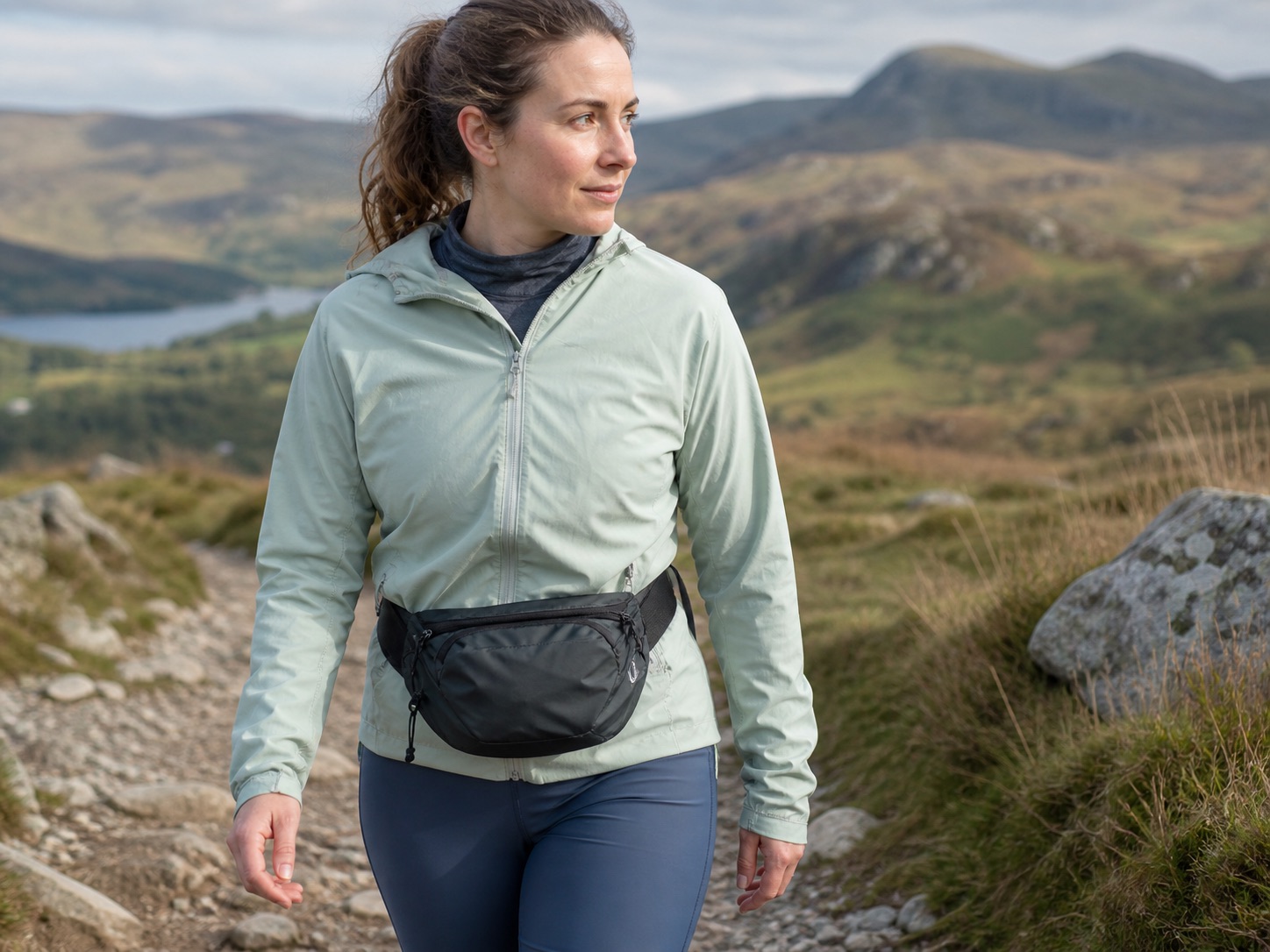
Whether you call it a hiking bum bag, waist pack, hip pack, fanny pack, or lumbar pack, the goal is the same: carry essentials securely while keeping movement easy. Choose compact designs for dog walking and travel, bottle-holder packs for warm routes, waterproof options for wet weather, and lightweight styles for running or fast walking.
A good walking bum bag should feel simple: easy to open, stable when moving, comfortable around the waist, and organised enough that you do not have to stop and rummage.