
Ergonomic carry system
Internal or external frames, padded hip belts, load-lifters, sternum straps, and adjustable shoulder straps help move weight away from your shoulders and into your hips.
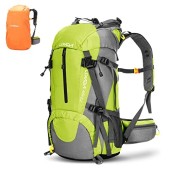
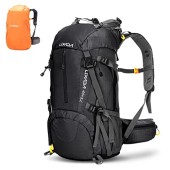
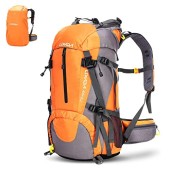
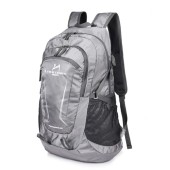
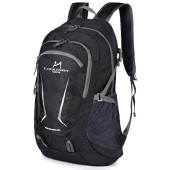
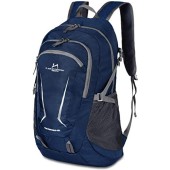
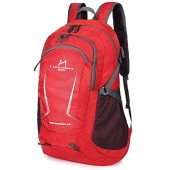
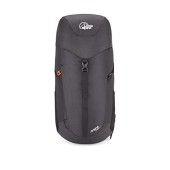
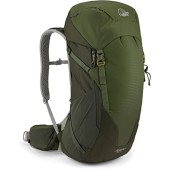
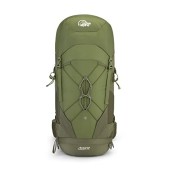
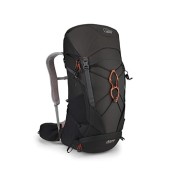
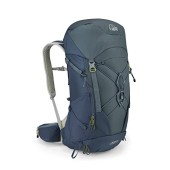
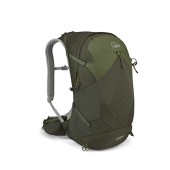
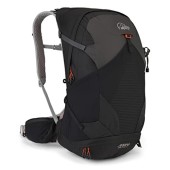
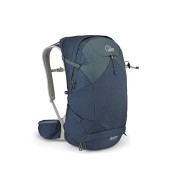
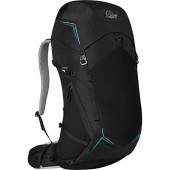
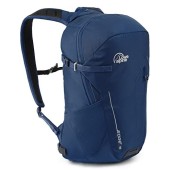
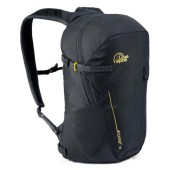
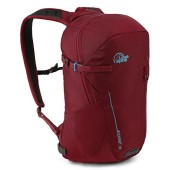
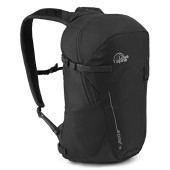
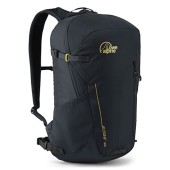
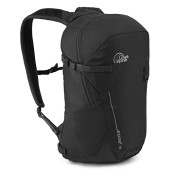
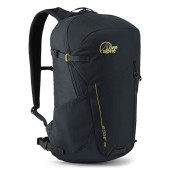
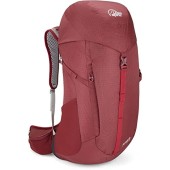
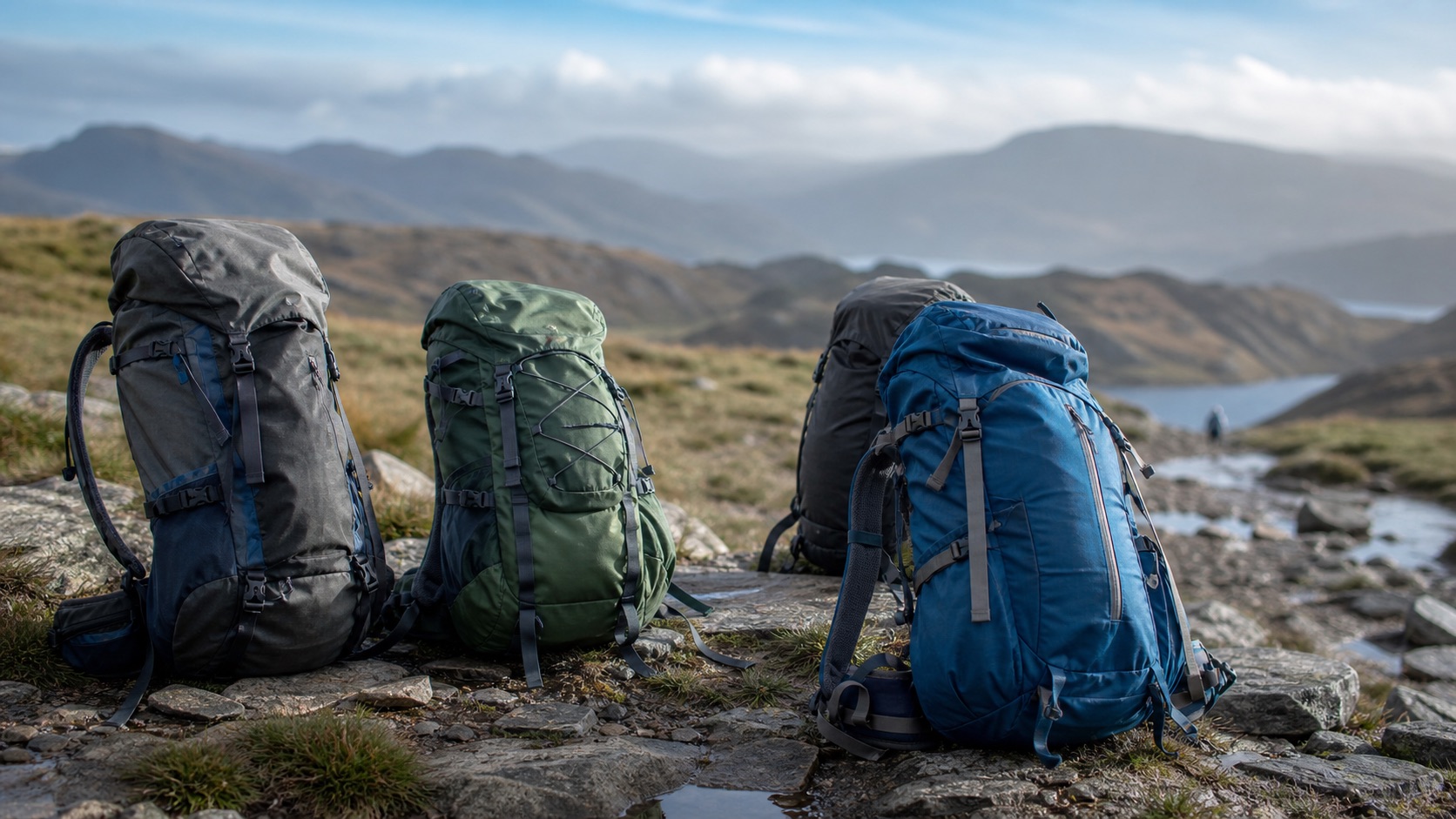
A proper hiking backpack keeps your load steady, your essentials organised, and your back comfortable from short UK day walks to multi-day treks.
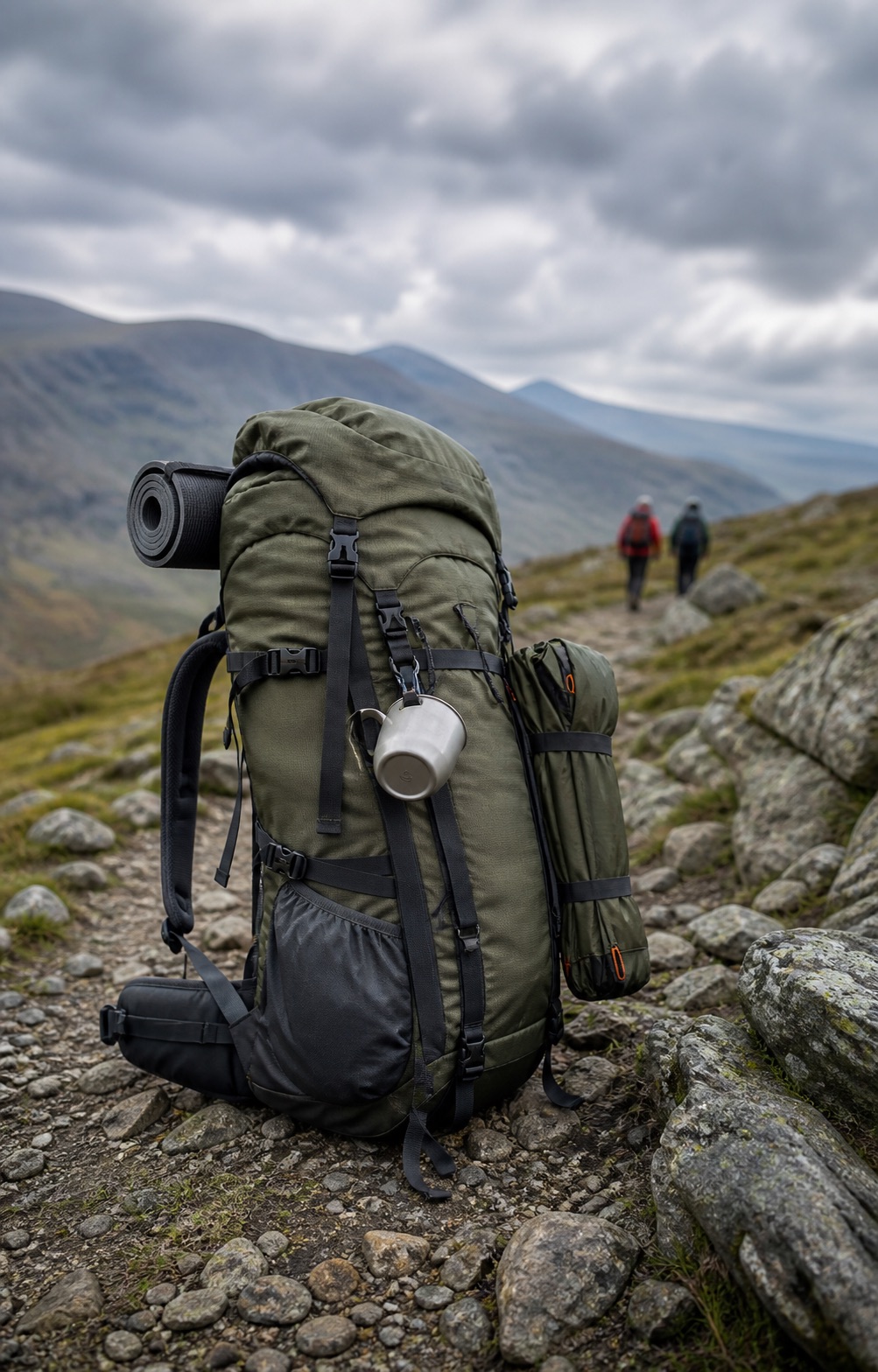
Heading across the fells of the Lake District or tackling a scramble in the Highlands is a world away from carrying a casual day bag. A hiking backpack, hiking rucksack, or walking rucksack is designed to hold outdoor kit securely while keeping the weight close to your body.
Unlike a school bag or commuter pack, a proper walking rucksack uses a carry system that spreads weight through the hips, keeps the load stable on rough ground, and gives quick access to waterproofs, snacks, maps, water, and spare layers.
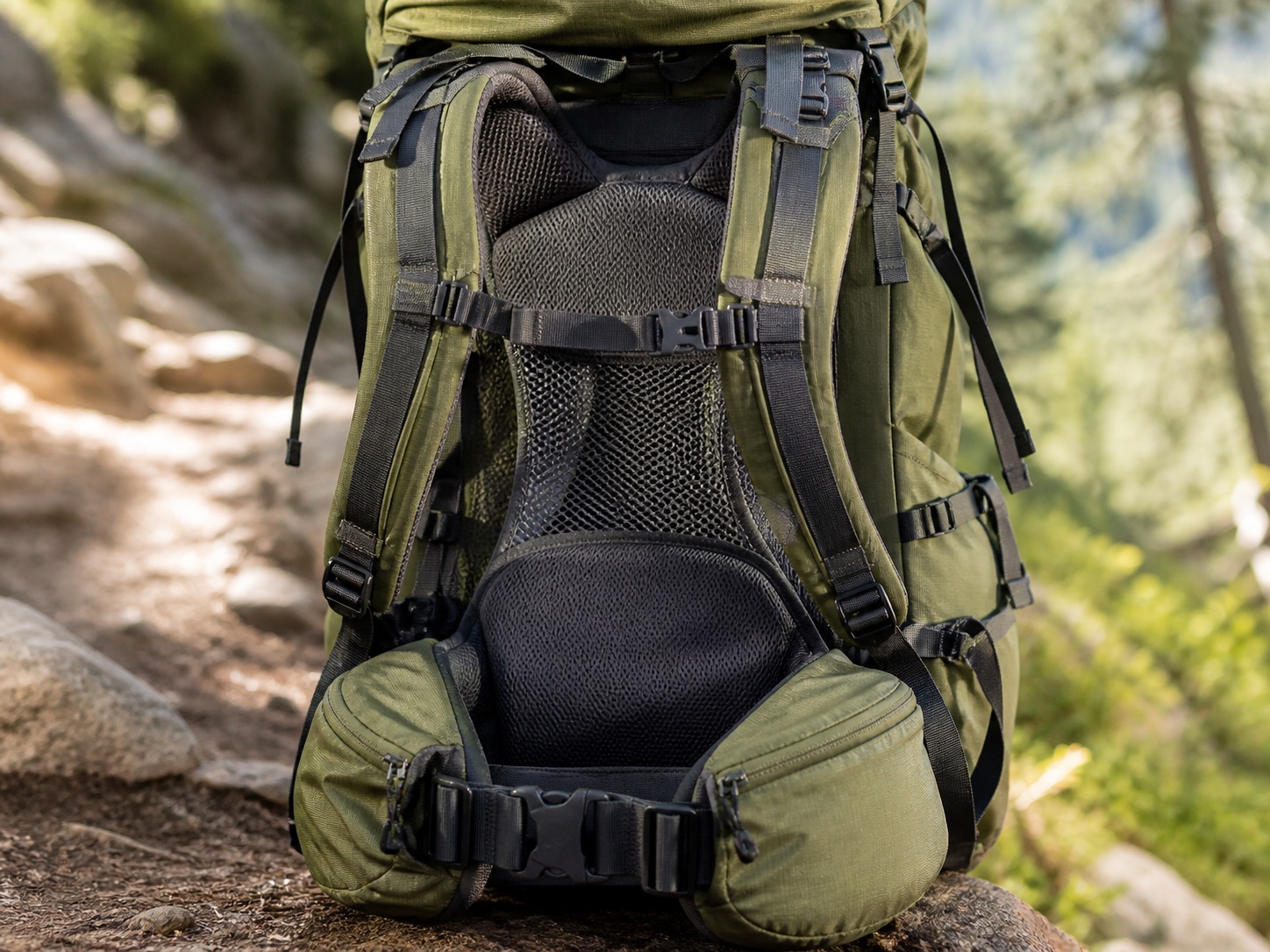
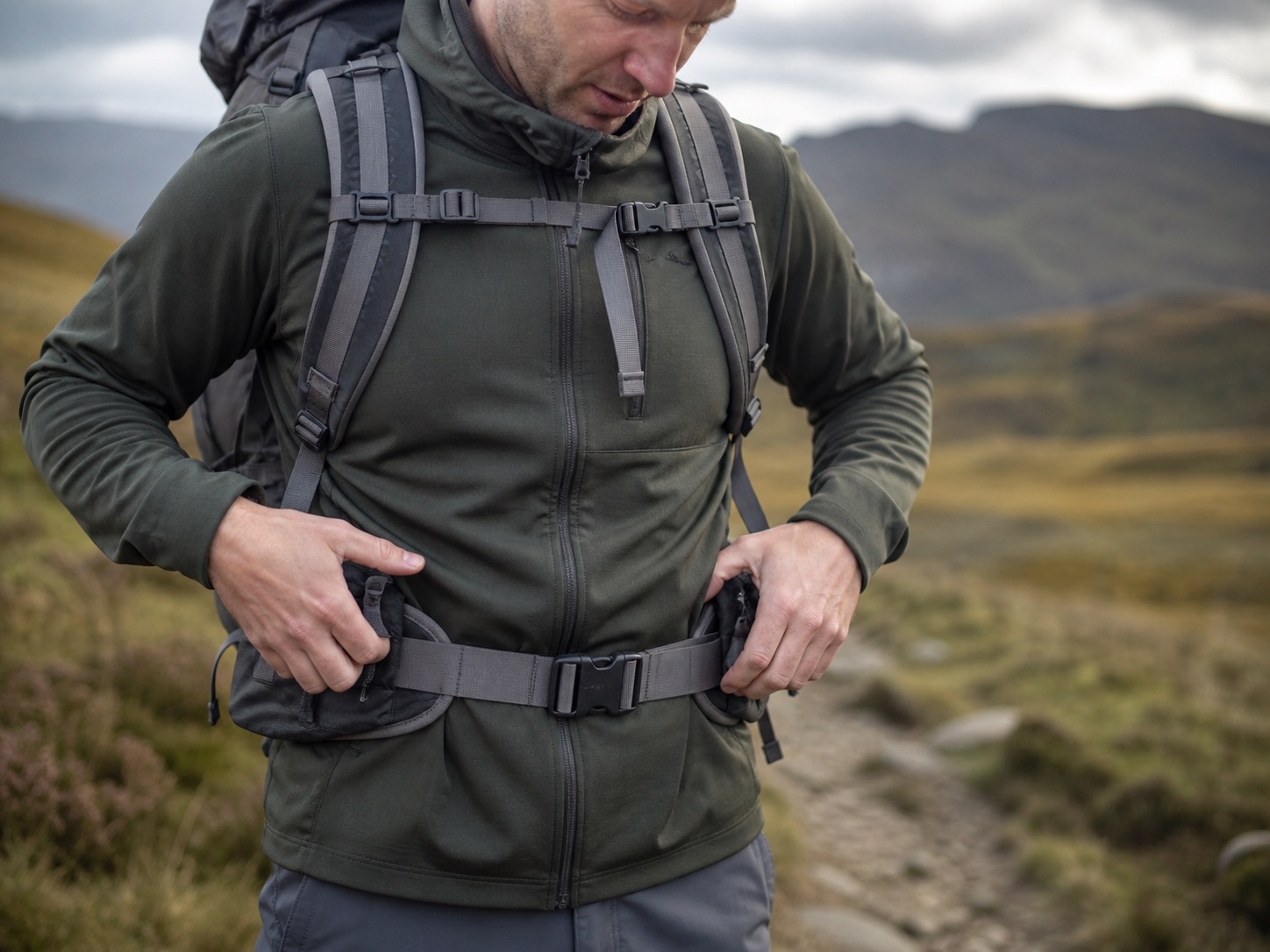
Internal or external frames, padded hip belts, load-lifters, sternum straps, and adjustable shoulder straps help move weight away from your shoulders and into your hips.
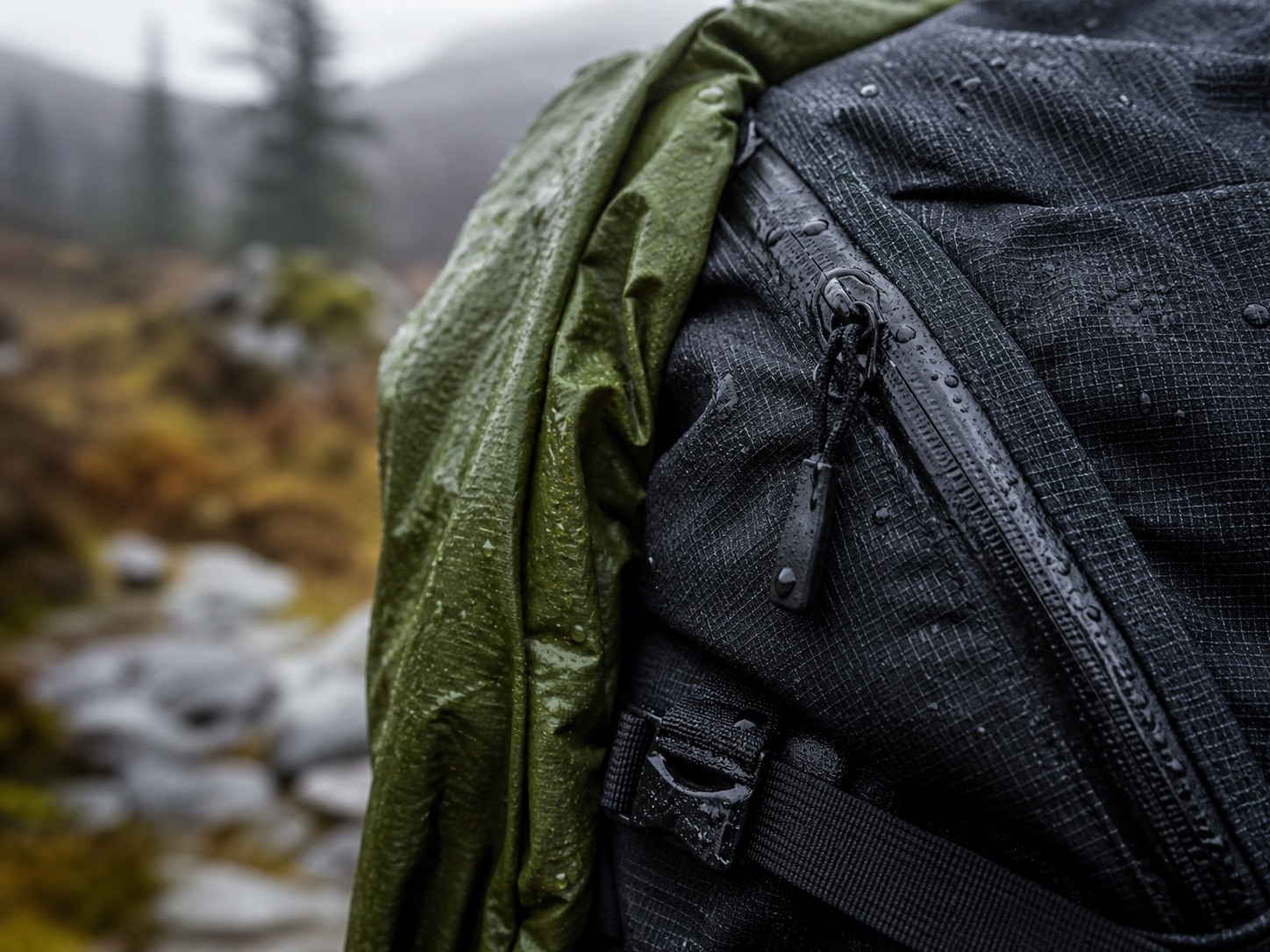
Tough nylon, polyester, ripstop fabrics, Cordura, coated materials, and built-in rain covers help protect kit in typical British weather.
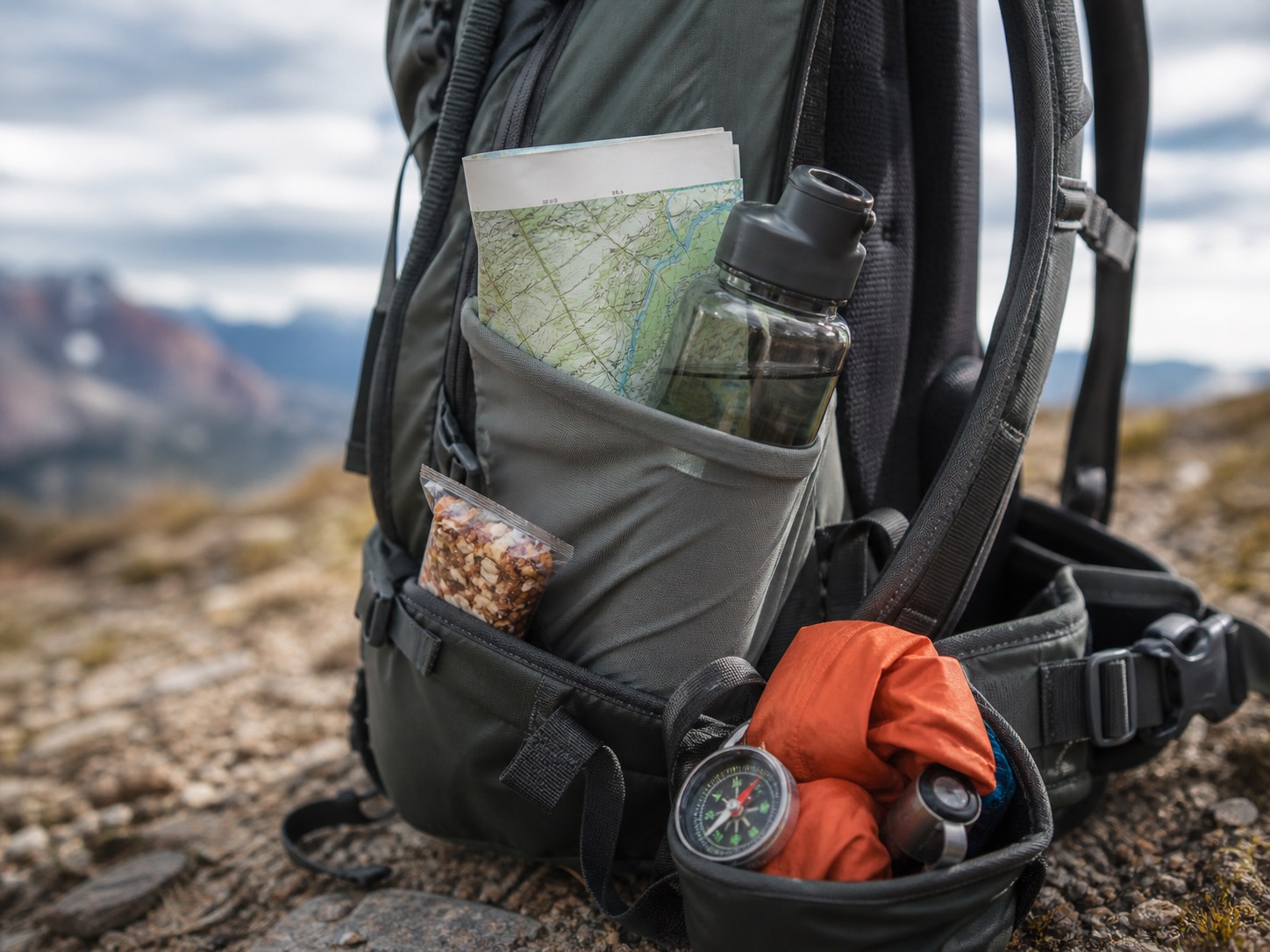
Hydration sleeves, side bottle pockets, hip-belt pouches, sleeping-bag compartments, tool loops, and stash pockets keep important items easy to reach.
People often use hiking and trekking together, but the difference matters when choosing pack size and carrying support. Hiking usually means shorter outings on marked paths. Trekking usually means longer, more self-sufficient routes where you carry more kit for several days.
In the UK, backpacking can also mean gap-year travel, while in the US it often means carrying camping gear into the wilderness. For this category, the useful question is simple: how long are you out, how remote is the route, and how much weight must the pack carry?
| Aspect | Hiking backpack | Trekking backpack |
|---|---|---|
| Typical duration | Several hours to 2-3 days. Used for day walks or weekend wild-camps. | Multi-day journeys lasting a week or more, often on remote routes like the West Highland Way or Tour du Mont Blanc. |
| Terrain and challenge | Well-maintained trails and moderate difficulty, suitable for beginners, families, and regular UK hill walks. | Remote or high-altitude terrain where navigation, endurance, and self-sufficiency matter more. |
| Pack capacity | 15-35L for daypacks or 30-50L for weekend trips. | 50-80L or more for camping gear, food, stove, spare clothing, and heavier loads. |
| Key features | Lightweight materials, ventilation panels, hydration compatibility, and easy-access pockets. | More robust fabrics, heavier frames, larger hip belts, and space for tents, sleeping mats, and cooking kit. |
| Typical users | Day hikers, families, trail runners, and weekend campers. | Trekkers, expedition hikers, and people carrying full overnight systems. |
A hiking backpack is ideal for UK day walks and long-distance trails with regular resupply. A trekking backpack suits remote expeditions where you need to carry everything for several days.
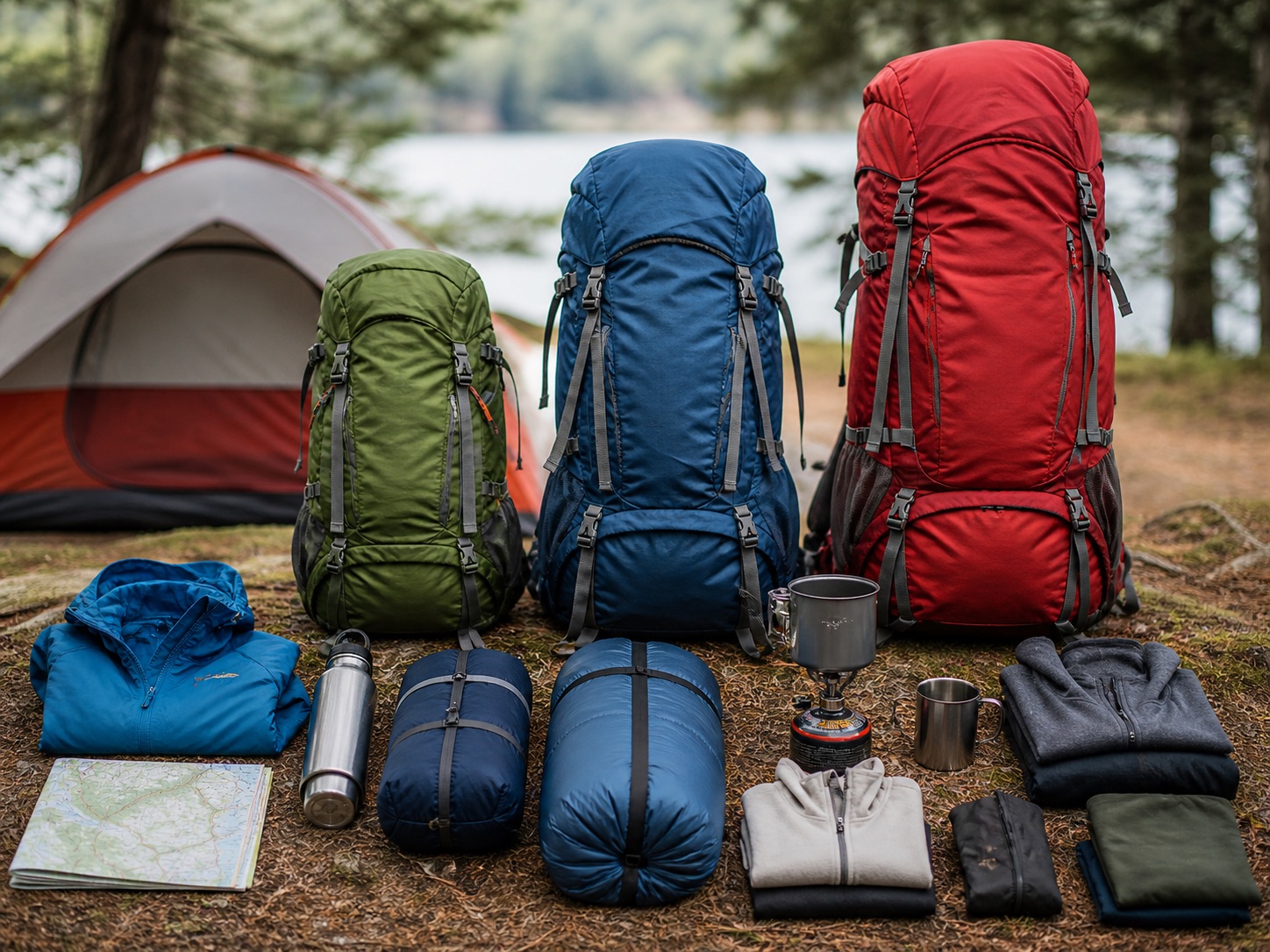
Day hikers usually need 15L to 30L. Weekend wild-campers can manage with 35L to 50L. Longer trips often need 55L to 90L.
Choosing the right size prevents over-packing, stops kit being strapped awkwardly outside the bag, and keeps the load easier to balance on uneven ground.
A 25L hiking rucksack can be perfect for a Peak District day walk. A 45L pack suits a two-night bivvy in the Brecon Beacons. A 65L pack works better for a five-day winter route in the Cairngorms.
Lightweight models save energy but use slimmer materials. Heavy-duty packs add padding and durability for bigger loads.
Nylon is light and durable, polyester resists UV and dries quickly, ripstop helps stop small tears spreading, and Cordura or ballistic nylon suits tougher use.
Internal frames hug the body and dominate modern hiking bags. External frames ventilate well and handle awkward loads. Frameless packs suit lighter hikers but are less forgiving under weight.
A suspended mesh back panel or airflow channels help reduce sweaty-back syndrome on warm climbs.
Hip belts, sternum straps, shoulder straps, and load-lifters keep the pack stable. Women-specific and kids packs may use shorter torso lengths and shaped hip belts.
A hydration sleeve and hose port keep water close to your back and make drinking easier without stopping. Side pockets still matter for bottles and flasks.
Top-loading packs are simple and light. Panel access opens more like a suitcase. Side pockets, lid pockets, hip-belt pockets, sleeping-bag sections, and tool loops make kit easier to manage.
Measure from the C7 vertebra at the base of your neck to the top of your hip bones. Compare that with the brand sizing chart before choosing a pack.
The belt should wrap over your hip bones. If it is too long or too short, it will not transfer weight properly.
Put 8-12kg in the rucksack for testing, loosen all straps, then position and tighten the hip belt so most weight sits on your hips.
Pull the shoulder straps until snug without digging in, then fasten the sternum strap so the shoulder straps stay stable without pressing on your neck.
Pull gently until the top of the pack sits closer to your back. Around a 45-degree angle is a useful guide.
Test the loaded pack on stairs or a short walk. It should stay stable without restricting breathing or movement.
Do not buy only because a pack is discounted, stylish, or bigger than the alternatives. The best hiking backpack for a UK route is the one that matches your body, the weather, the distance, and the kit you actually carry.
For walkers across the UK, from Cotswold paths to Lake District fells, a good hiking backpack carries shelter, waterproofs, food, water, and essentials without fighting your stride. Understand the difference between a day hike and a trek, choose the right capacity, check the frame and fit, and avoid buying a pack that only looks right on paper.
Adjust it properly, clean and re-proof fabrics when needed, and repair small tears before they spread. With the right pack on your shoulders, the route becomes easier to enjoy.