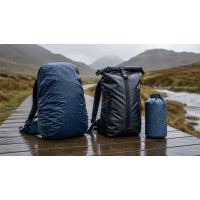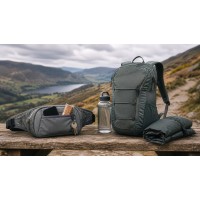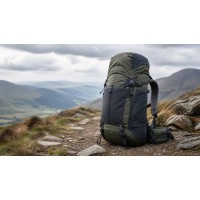

Day hike carry guide
Waist pack or daypack? Choose by what the route asks you to carry.
A waist pack is enough for many short walks, dog routes and summer trails. A daypack is the better choice when water, layers, lunch or weather protection stop being optional.
30-second route test
If the walk needs backup kit, choose the daypack. If it only needs access, choose the waist pack.
The useful question is not “which bag is better?” It is “what happens if the walk gets longer, colder, wetter or hotter than planned?” A waist pack is a comfort upgrade when the answer is “not much.” A daypack is the safer answer when you need water, layers, food or shared kit.
Choose a waist pack
Your kit is small and used often
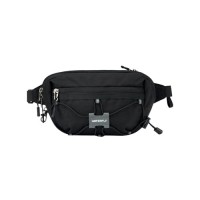
Phone, keys, wallet, dog treats, snack, compact first aid and one small bottle are realistic waist-pack items. The pack stays useful because everything is easy to reach.
View waist packsChoose a daypack
Your kit includes backup layers
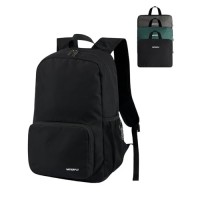
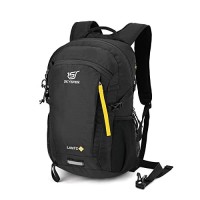
Waterproofs, insulation, lunch, headlamp, map, first aid and extra water need more space and better load control. A daypack carries that without turning every pocket into a squeeze.
View daypacks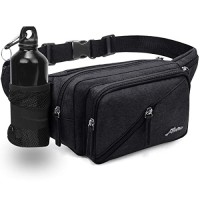
When a waist pack wins
Choose a waist pack when the trail is short, warm and predictable.
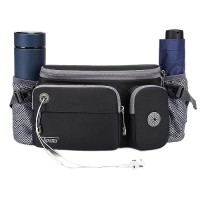
A waist pack keeps your shoulders free and your back uncovered. That is useful on summer walks, quick local trails, dog walks, travel days and fast routes where you mainly need access to small items.
The limit is capacity. Once you add a full bottle, waterproof jacket, spare layer and lunch, the pack can become awkward around the hips. At that point a daypack is not overkill; it is the better tool.

Dog walks
A waist pack works well for treats, bags, keys, phone and a small bottle. Use a daypack if you also carry a towel, spare lead, water bowl or weather layers.
Hot weather
No back panel means better airflow. Just make sure the route is short enough for the water you can comfortably carry.
Travel days
A compact bum bag keeps passport, wallet, phone and snack money close. A daypack is better if it also needs to hold a jacket or purchases.

When a daypack wins
Choose a daypack when weather, water or time on trail can change.
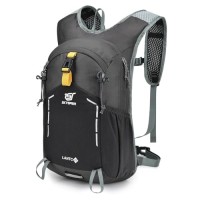
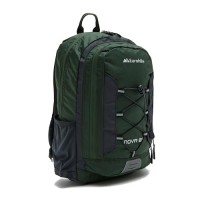
A daypack is the safer choice when the route is exposed, the forecast is uncertain or the walk may stretch longer than planned. The extra space lets you carry a waterproof, warm layer, lunch, headlamp, first aid and enough water without forcing everything into one small compartment.
For most casual day hikes, a compact 15-25L pack is enough. Go larger only when you are carrying family kit, camera gear, winter layers or bulky food and water.
Pack test
Run this before you buy either bag.
-
Put your real kit on a table
Do not imagine a perfect lightweight load. Use the waterproof, bottle, snack, dog kit, camera and layers you actually take.
-
Separate “must carry” from “nice to have”
If the must-carry pile is mostly small essentials, a waist pack is still in play. If it includes layers and lunch, move to a daypack.
-
Check water first
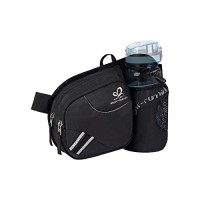
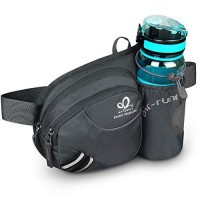
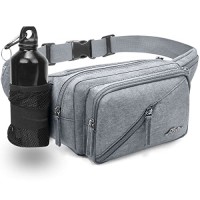
If the water does not fit without making the waist pack pull or bounce, the route needs a daypack or a dedicated bottle-holder waist pack.
-
Try the bad-weather version
Add a waterproof shell and warm layer. If the system falls apart, the waist pack was only right for settled-weather walks.
| Carry option | Realistic load | Upgrade when |
|---|---|---|
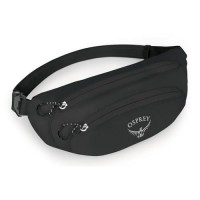
| Small waist pack | Phone, keys, wallet, snack, dog bags, compact essentials. | You need water outside a tiny bottle or any spare clothing. |
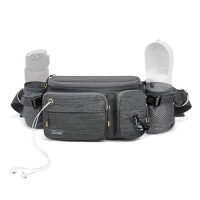
| Waist pack with bottle holder | Small essentials plus one or two bottles, depending on the pack. | The bottle weight makes the pack bounce, rotate or dig into your hips. |
| Compact daypack, 12-20L | Water, one layer, lunch, small safety kit and travel extras. | You carry bulky waterproofs, family kit or winter clothing. |
| Daypack, 20-30L | All-day food, layers, weather kit, camera, group or pet extras. | The pack stays half-empty on most of your actual walks. |

What actually fits
Do the table test before you buy.
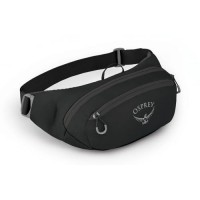
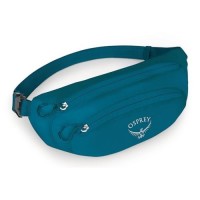
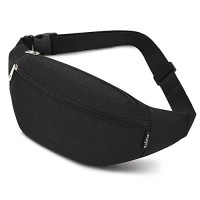
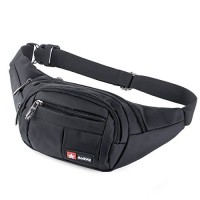
Put your real day-hike kit on a table. If it is only phone, keys, wallet, snacks and a small bottle, a waist pack is realistic. If the table includes waterproofs, insulation, lunch, first aid, map, headlamp and extra water, the decision is already a daypack.
Common mistakes
Do not make the pack solve the wrong problem.
- Overloading a waist pack: if it rotates, bounces or digs into your hips, the route needs a daypack.
- Using a daypack for pocket-sized kit: if the pack stays almost empty, a waist pack may be easier and cooler.
- Ignoring weather: stable summer paths are waist-pack friendly; exposed hills and changeable forecasts are daypack territory.
- Buying only by litres: pockets, bottle storage, belt comfort and back ventilation matter as much as capacity.
Is a waist pack enough for a day hike?
It can be enough for a short, settled walk where you only need essentials and limited water. It is not enough for all-day routes, poor weather or bulky layers.
What size daypack is best for hiking?
For many casual day hikes, 15-25L is a practical range. Go closer to 30L if you carry lunch, waterproofs, warm layers or shared kit.
Can I use both?
Yes. Some hikers use a daypack for layers and water, then keep phone, snacks or dog treats in a waist pack for fast access.
Next step
Compare the carry format first, then compare products.
Browse hiking waist packs and bum bags if your load is small and access matters most. Start with day hiking backpacks if the route needs water, lunch, layers or weather backup. For broader carry options, use the main hiking backpacks category.