
Weekend backpack guide
Choose the pack that fits your trip before you choose a brand
A good weekend hiking backpack is not just a big bag. It has to hold overnight kit, keep the load close to your back, and transfer weight into the hip belt so your shoulders are not doing all the work.
Quick answer
For most weekend hikes, start with 40-50 litres
If your shelter, sleeping bag and cooking kit are compact, a 40L hiking backpack can work well for one or two nights. If your kit is bulkier, the weather is colder, or you want easier packing space, a 50L hiking backpack is the safer starting point.
A 35L pack is for disciplined, lightweight packing. A 55-60L pack is better when you carry extra layers, group gear, a larger sleeping bag, or you simply do not want to fight the zip every morning.
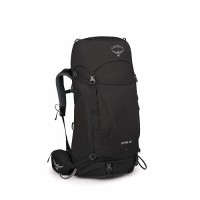
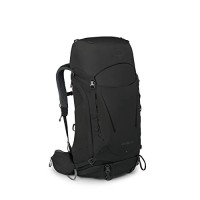
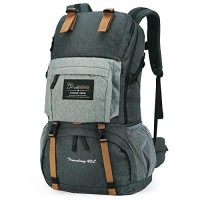
What an internal frame does on a weekend hike
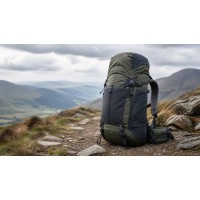
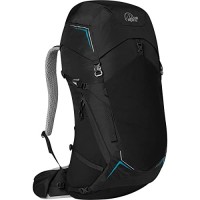
An internal frame hiking backpack keeps its structure hidden inside the back panel. That structure helps keep the load close to your body, which matters when you are stepping over rocks, crossing muddy ground, or walking downhill with tired legs.
The frame is only useful when the rest of the carry system works with it. Look for a real hip belt, adjustable shoulder straps, load lifters, and a sternum strap. The goal is simple: the pack should feel stable, and most of the load should sit through your hips rather than hanging from your shoulders.
| Capacity | Best for | Watch out for |
|---|---|---|
| 35L | Minimal overnight kit, compact summer gear, hostel or hut trips, experienced light packers. | Too tight for bulky sleeping bags, wet-weather extras, or a full cooking setup. |
| 40L | The practical sweet spot for one or two nights if your gear is reasonably compact. | You need to pack neatly. External straps may be needed for a foam mat. |
| 45-50L | The safest weekend range for most hikers carrying tent, sleeping kit, spare layers, food, and rain gear. | Easy to overpack if you treat the extra space as permission to bring everything. |
| 55-60L | Cold-weather weekends, bulkier budget gear, shared items, or trips where comfort matters more than low weight. | May feel oversized for mild one-night trips unless the compression straps work well. |
Pack fit matters more than the logo
Before comparing colours or pocket layouts, check whether the torso length and hip belt can match your body. A pack that is the wrong size can make even light weekend gear feel awkward.
Women-specific packs are worth considering if a standard unisex pack leaves shoulder straps rubbing, the hip belt sitting poorly, or the back length feeling too long. Start with women's hiking backpacks when fit has been a problem before.

Weekend features worth paying attention to
Hip belt or waist strap
A supportive waist strap helps carry the heavier weekend load through the hips.
Back ventilation
A suspended mesh panel or ventilation channels can make climbs more comfortable, especially when the pack rides close to your back.
Rain cover
Water-resistant fabric helps, but a rain cover or dry bags are still useful when the forecast changes.
Hydration compatibility
A hydration sleeve keeps water close to your back and makes drinking easier while walking.
Access points
Top-loading packs are simple, but front or lower access can save time when your sleeping bag or layers are packed deep.
Compression straps
They stop a half-filled 50L pack from wobbling and help attach a mat or wet outer layer outside the main compartment.
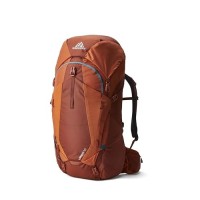
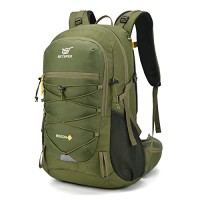
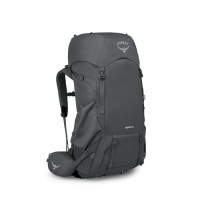
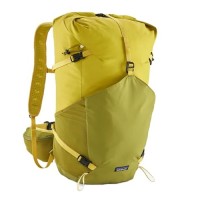
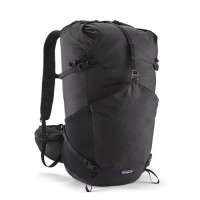
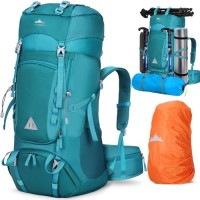
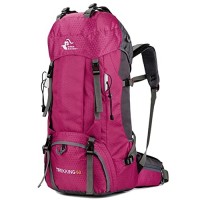
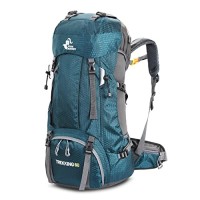

How to choose between 40L and 50L
Choose 40L if you are packing for mild weather, using compact gear, and carrying only your own kit. This is the tidy, efficient option. It works best when your tent or shelter packs small and you are comfortable leaving non-essentials behind.
Choose 50L if you want a little margin. Extra room helps with a thicker sleeping bag, warmer layers, food for two full days, or a wet rain jacket that you do not want buried inside the main compartment. For many buyers, 50L is the more forgiving first weekend pack.
Decision shortcut
Pick by your bulkiest item
If your sleeping bag and shelter are compact, look at 40-45L first. If either item is bulky, start at 50L. If you add winter layers, group gear, or a full cooking setup, compare 55-60L packs before committing.
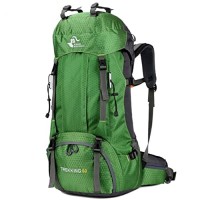
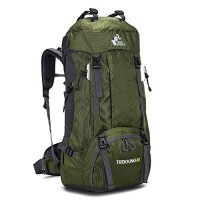
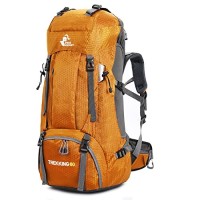
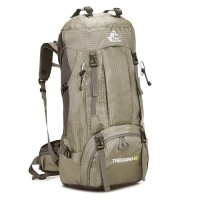
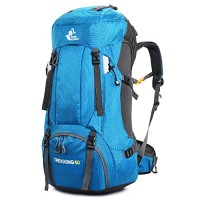
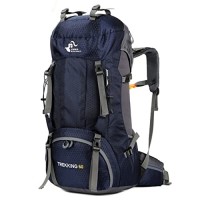
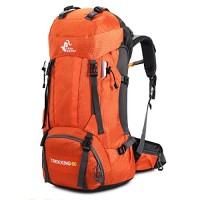
Rain protection: cover first, waterproof claims second
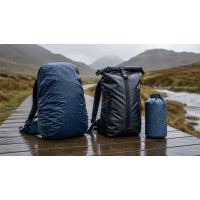
Many weekend packs use water-resistant fabric, but zips and seams can still let moisture in. If you hike in changeable UK weather, a rain cover is a practical feature. For sleeping gear and spare clothes, use dry bags inside the pack as a second layer of protection.
If wet-weather protection is a top priority, compare waterproof hiking backpacks and packs with dedicated rain covers rather than relying on a product title alone.

Common weekend backpack mistakes
Buying too large
A 60L pack looks flexible, but empty space encourages overpacking. If your kit fits into 40-50L, stay there.
Ignoring torso fit
Height does not tell the whole story. Check torso range and hip belt fit before assuming a pack will sit correctly.
Trusting waterproof fabric alone
Rain protection is a system: water-resistant shell, rain cover, and dry bags for the items that must stay dry.
FAQ
Is 40L enough for a weekend hike?
Yes, if your kit is compact and you are hiking in mild conditions. For a first weekend backpack, 45-50L is often more forgiving.
Is 50L too big for one night?
Not necessarily. Compression straps can keep the load stable, and the extra space helps with bulkier sleeping gear or rain layers.
Should I choose an internal frame or frameless pack?
For most weekend hikers, internal frame is the safer choice because it gives better support and stability under overnight loads. Frameless packs make more sense for experienced ultralight hikers.
Do I need a rain cover?
If you hike where rain is likely, yes. Water-resistant fabric is helpful, but a rain cover and dry bags give better protection for sleeping gear and clothes.
What is the best capacity for a beginner?
Start around 45-50L. It gives enough room to pack without frustration while still being small enough to discourage a very heavy load.