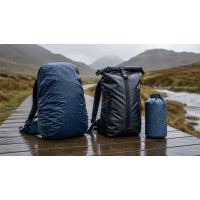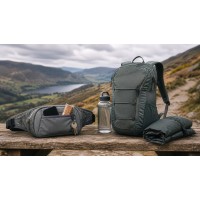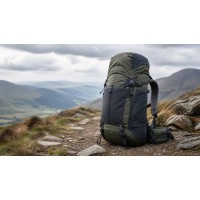

Rain protection guide
A dry pack is a system, not a word in the product title.
Waterproof fabric helps. A rain cover helps. Dry bags help. The trick is knowing which weak point you are solving before rain finds the zip, seam or opening you ignored.
Fast verdict
For normal hiking rain, use a rain cover. For must-stay-dry kit, add dry bags inside the pack.
A backpack labelled waterproof can still leak through zips, seams or openings if the whole design is not built as a waterproof system. A rain cover protects the outside of a hiking pack, but it does not seal the harness side or stop water getting in when the pack is on wet ground. The safest setup is a sensible pack, a cover for exposed rain, and dry bags for clothes, electronics and sleep gear.
| Option | Best for | Weak point |
|---|---|---|
| Water-resistant backpack | Light rain, short walks, damp ground and everyday use. | Fabric may resist water, but zips and stitching can still let water through. |
| Backpack rain cover | Normal hiking rain on a pack with standard zips and compartments. | It protects the outside, not the back panel, shoulder straps or an open pack. |
| Roll-top waterproof backpack | Wet commutes, paddle approaches, exposed routes and sustained rain. | Access can be slower, and overfilling can compromise the roll-top seal. |
| Dry bags inside the pack | Spare clothes, electronics, first aid, sleeping gear and anything critical. | They protect contents, but they do not make the outer backpack comfortable or dry. |
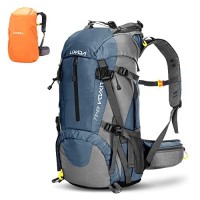
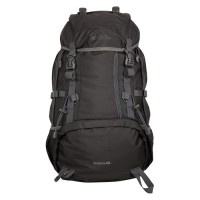
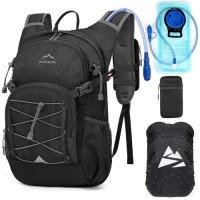
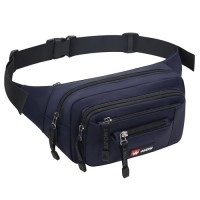

Leak map
Water gets in through details, not just fabric.
Many shoppers check whether the fabric is waterproof and stop there. On a real hiking pack, water also tests the zipper track, needle holes, lid opening, side pockets and the back panel where the pack presses against your body. That is why a protected system beats a single waterproof claim.
Choose a rain cover
You already like the pack
A cover is the easiest upgrade when your pack fits well, carries well and only needs better rain protection on the outside.
View rain-cover packsChoose waterproof design
The route stays wet for hours
Look beyond fabric. A better wet-weather pack uses a stronger closure, protected seams and fewer places where water can pool.
View waterproof backpacksAdd dry bags
Some kit cannot get wet
Spare layers, electronics, medical kit and sleep gear deserve a second layer inside the pack, even when the outer pack has a cover.
Compare hiking packsRain cover reality
A rain cover is useful because most hiking packs are not sealed bags.
For a normal walking rucksack, the cover takes the first hit from rain and runoff. That matters because standard zips, seams and pocket openings are not designed to behave like a dry bag. A cover is especially useful on daypacks with several zips, mesh pockets and hydration openings.
The limit is direction. Wind can push rain around the cover, water can run down the harness side, and a covered pack can still get wet if you drop it onto saturated ground. Use it as outer protection, not as a promise that every item inside is safe.

Check the cover fit
It should wrap the full loaded pack without pulling tight over sharp corners or leaving the lid exposed.
Check where water pools
Horizontal zips, lid pockets and sagging covers can hold water longer than you expect.
Check the harness side
The back panel and straps stay exposed, so do not place critical dry kit against the outer wall without a liner.
Check access habits
If you keep removing the cover to reach snacks, camera gear or layers, the pack is open during the wettest moments.

Backup system
Dry bags are for the things that have no second chance.
A pack cover protects the outside. A dry bag protects contents. Use small bags for phone, first aid and power bank; medium bags for spare layers; larger liners for sleep gear or clothing. This also keeps wet waterproofs and dry insulation separated when the rain stops.
Decision shortcut
Buy for the wettest realistic use, not the best product claim.
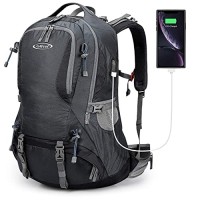
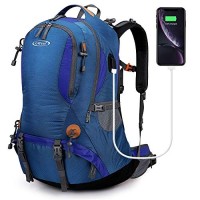
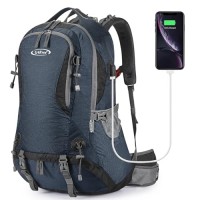
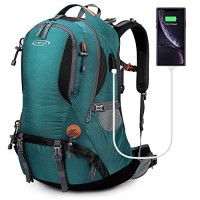
- Short wet walk: a waterproof waist pack or compact covered daypack can be enough.
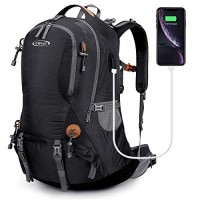
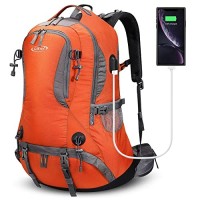
- Normal day hike: a comfortable backpack with a rain cover and one dry bag is the practical setup.
- Long exposed route: choose stronger weatherproof design and protect spare layers internally.
- Camping or overnight kit: use dry bags inside the backpack no matter what the outer fabric says.
Common mistakes
Do not let a waterproof label answer the wrong question.
Ignoring the closure
A waterproof fabric panel does not help much if the zip is exposed to pooling water for hours.
Skipping internal protection
Spare clothes, electronics and first aid should not rely only on the outer pack shell.
Buying a sealed bag for the wrong walk
A roll-top waterproof bag can be slower to access. For normal hill walking, comfort and carry layout still matter.
FAQ
Are hiking backpacks waterproof?
Most are better described as water-resistant unless the seams, closure and fabric are designed as a waterproof system. Many hiking packs still need a rain cover in heavy rain.
Is a backpack rain cover worth it?
Yes, if you hike in changeable weather. It is a low-bulk way to protect the outside of the pack and reduce water exposure around zips and pockets.
Do I need dry bags if my backpack has a rain cover?
Use dry bags for anything that must stay dry. A cover helps the pack, but a dry bag protects the contents if rain gets around the cover or the pack is put down on wet ground.
Is a waterproof waist pack enough for rain?
It can be enough for phone, keys, wallet and small essentials on short wet walks. It is not enough when you need waterproofs, warm layers, lunch and extra water.
Should I choose a waterproof backpack or a rain-cover backpack?
Choose the pack that carries your route kit comfortably first. Then match rain protection to the route: cover for normal rain, stronger waterproof design for sustained wet use, dry bags for critical contents.
Next step
Compare the rain system, then compare the product.
Start with waterproof hiking backpacks if the route is regularly wet. Compare backpacks with rain covers for general hill walking and day hikes. For smaller wet-weather essentials, use waterproof bum bags. If hydration is part of the route plan, check hydration-compatible backpacks as well.